


Description
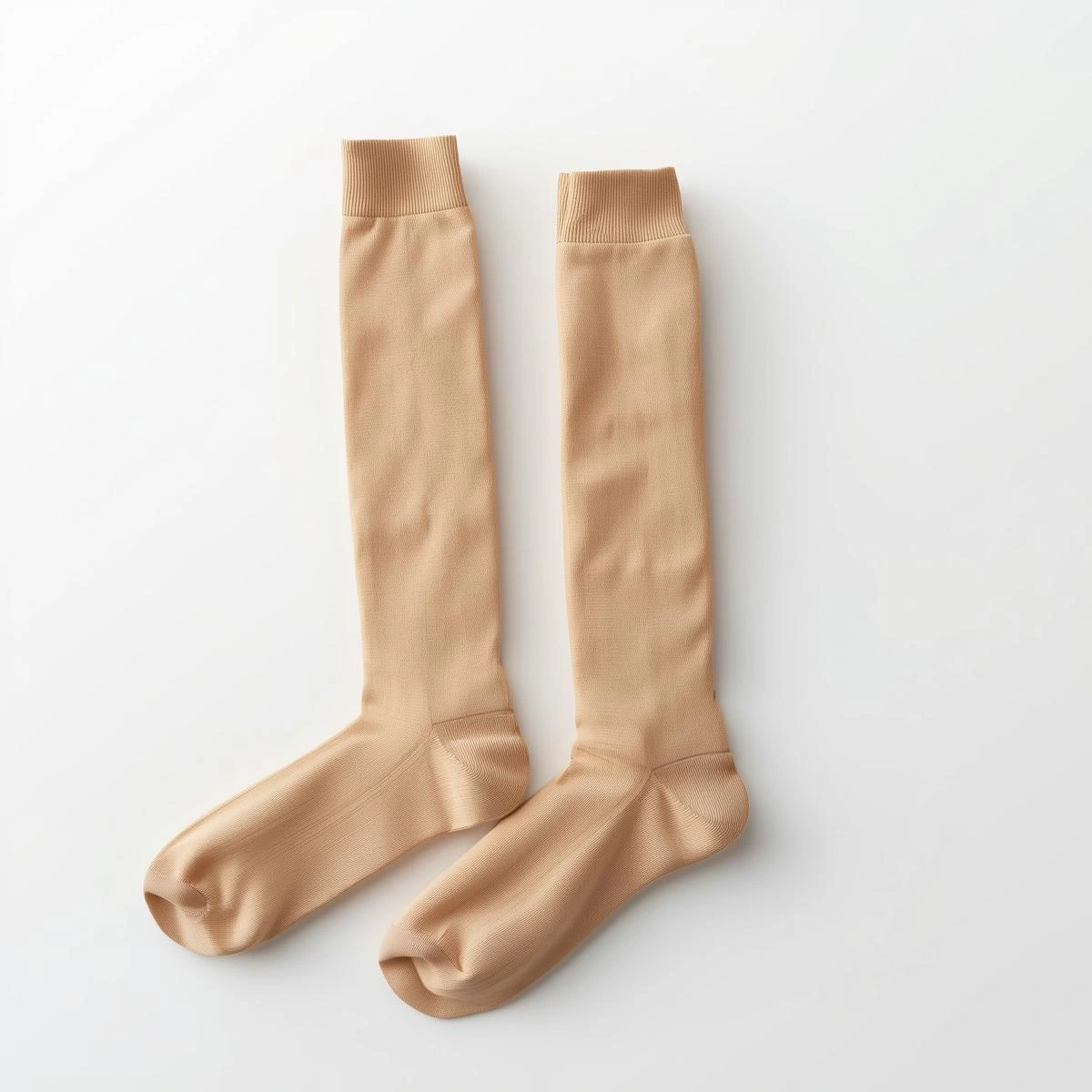
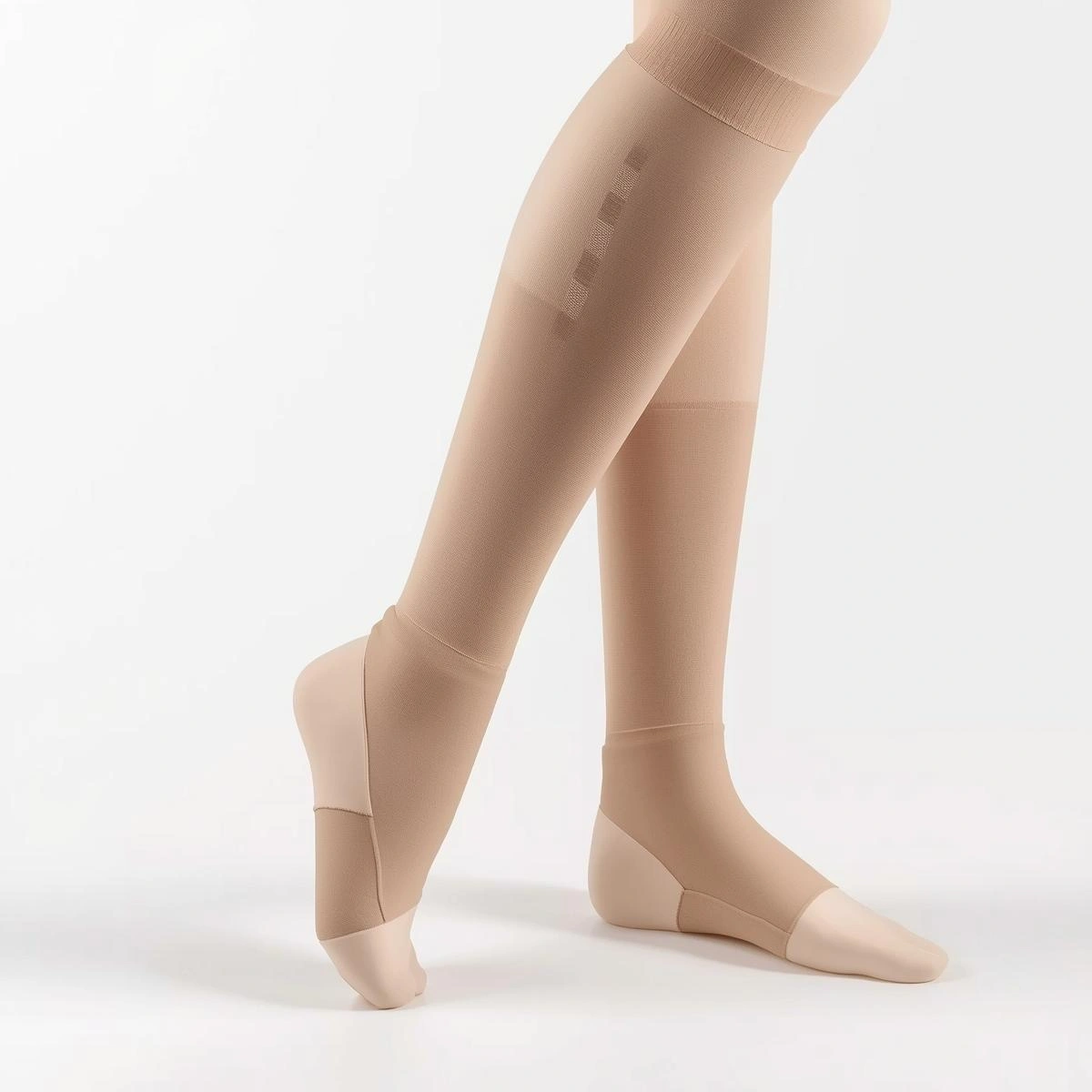
Below Knee Compression Stockings (Class 1, 2, 3)
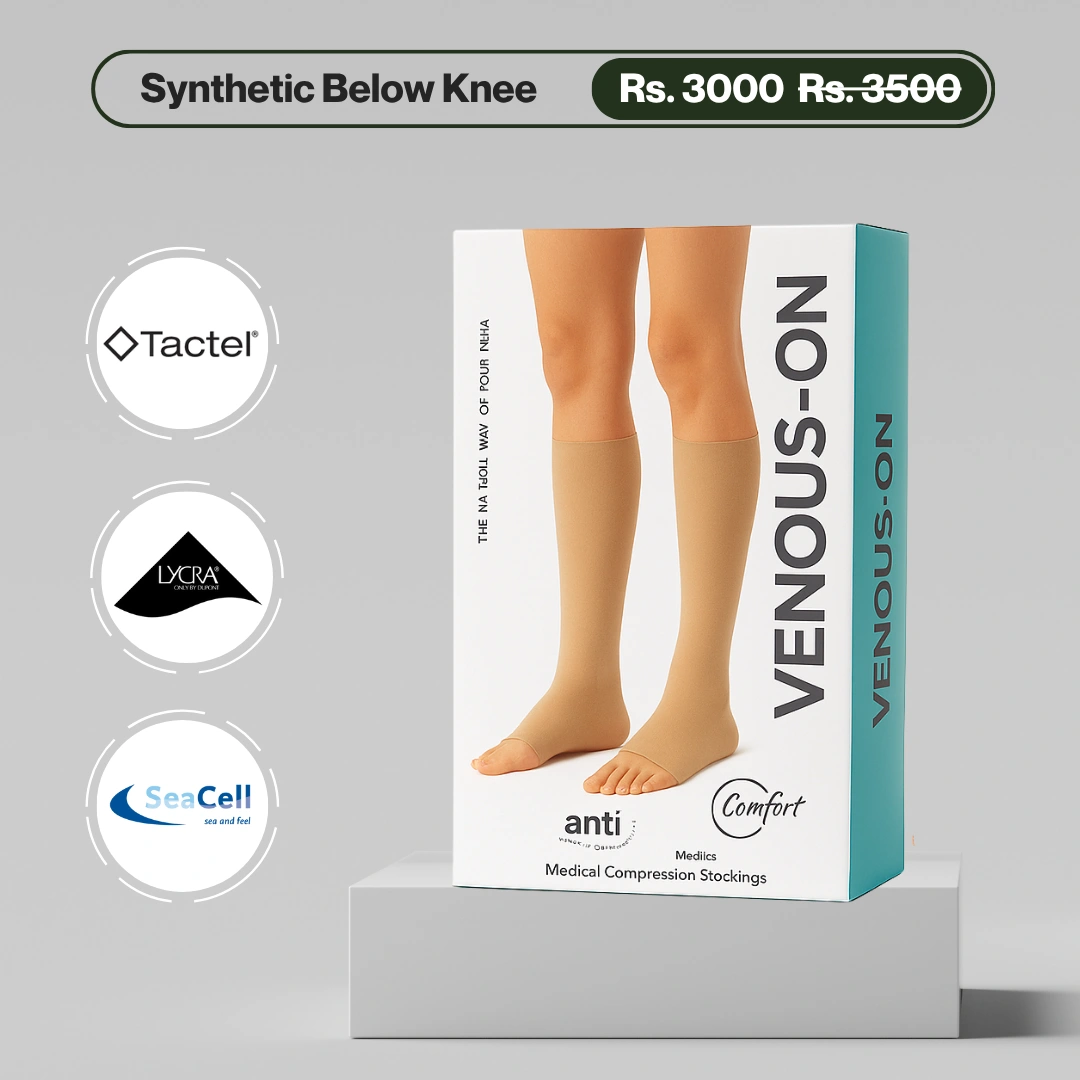
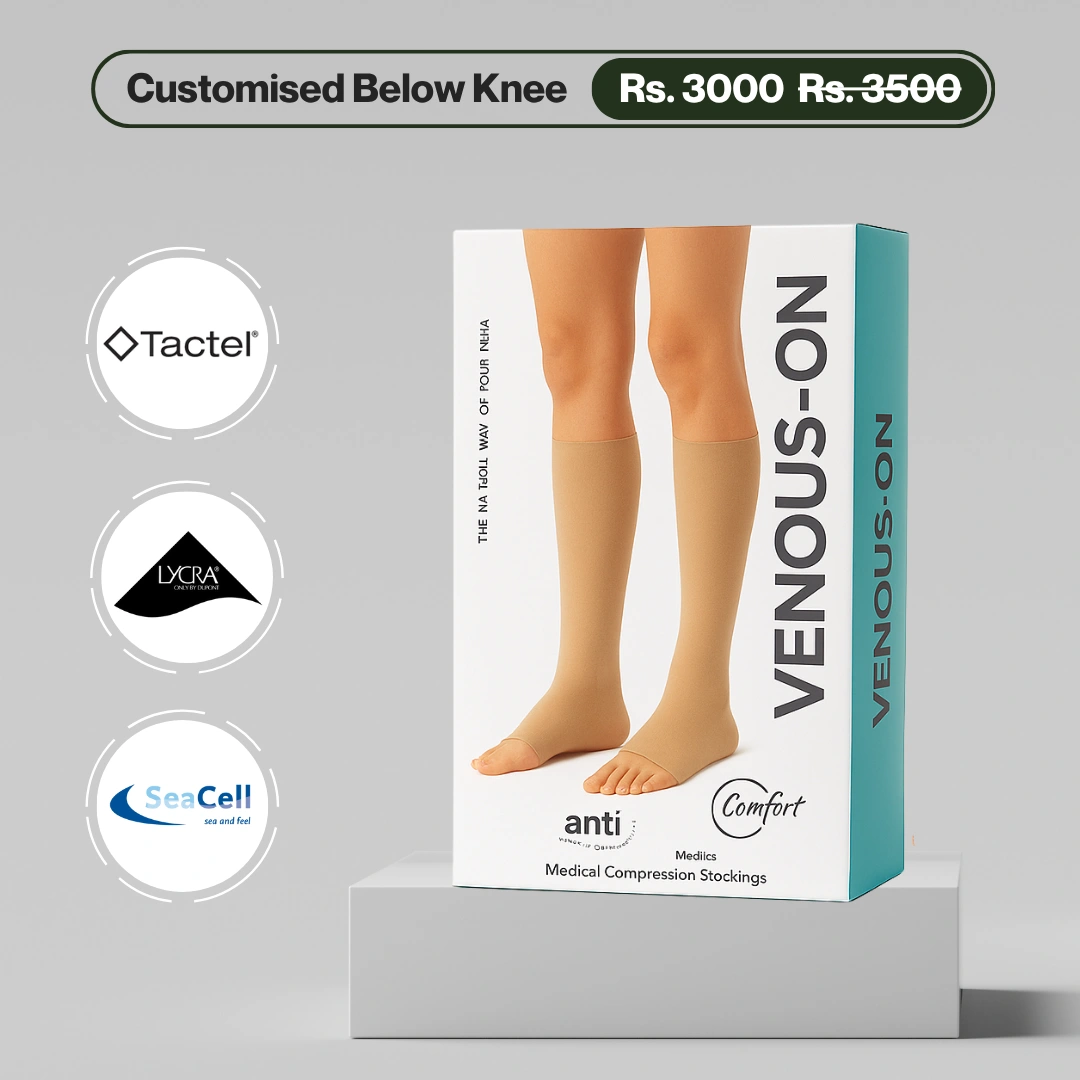
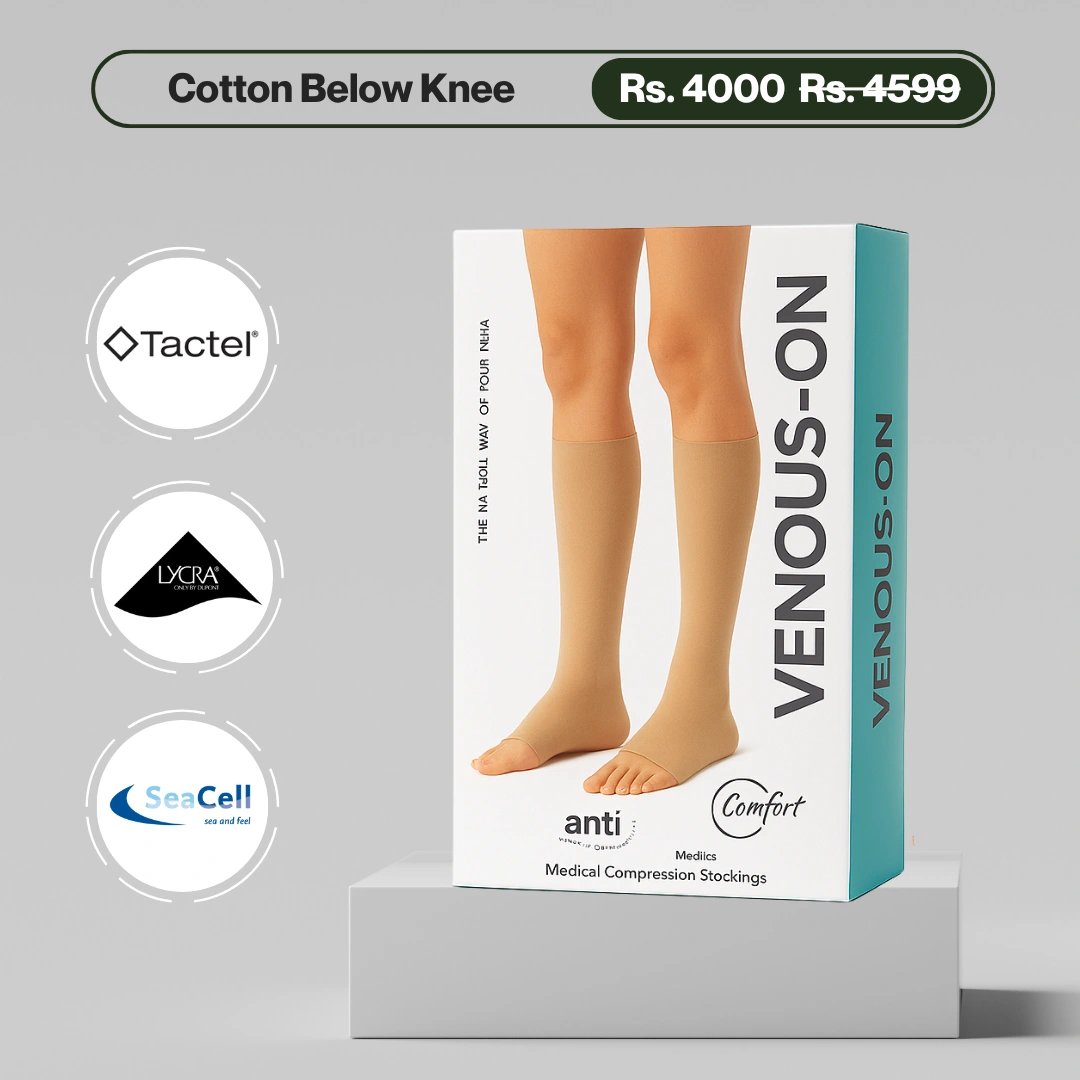
Venous-On specialises in below knee medical compression stockings available in Class 1, Class 2, and Class 3 compression levels. These stockings are clinically designed to support patients suffering from varicose veins, swelling, venous insufficiency, Deep Vein Thrombosis (DVT), lymphedema, and post-surgical recovery requirements.
Unlike ordinary socks or fashion stockings, medical compression stockings provide graduated compression therapy — which means the pressure is highest at the ankle and gradually reduces as it moves upward to the calf. This controlled pressure pattern assists the veins in returning blood towards the heart, helping reduce venous pooling and manage swelling.
Venous-On: A Trusted Compression Therapy Brand
For over 15 years, Venous-On has been working closely with vascular surgeons, physiotherapists, and hospitals to supply compression stockings that combine clinical effectiveness with comfort and affordability. Imported stockings can often come at high prices, making them less accessible to many patients. Venous-On aims to bridge this gap by offering high-quality compression stockings at competitive prices.
Our below knee stockings are designed for use across:
- Hospitals & Clinics for post-surgical and medical patients
- Pharmacies as recommended medical products
- Direct Consumers managing venous or lymphatic conditions
“Effective Compression. Everyday Relief.”
Why Use Below Knee Stockings?
Below knee compression stockings are widely used as part of the management of venous and lymphatic disorders. Vascular surgeons, dermatologists, diabetologists, physiotherapists, and other healthcare professionals may recommend them for both prevention and treatment of appropriate leg conditions.
The lower legs, especially the ankles and calves, are common areas where blood pooling, swelling, and varicose veins develop. Since these stockings cover the leg from the ankle to just below the knee, they directly support the affected area while being easy to wear across different climates and lifestyles compared with full-length stockings.
Medical Reasons to Use Below Knee Stockings:
- Varicose Veins Management
Compression helps reduce dilation of superficial veins and manage symptoms such as pain, heaviness, and discomfort. - Control of Swelling (Edema)
Daily wear can help prevent fluid build-up in the lower legs, especially for people with sedentary lifestyles or occupations requiring prolonged standing. - Deep Vein Thrombosis (DVT) Prevention
Compression stockings may be recommended for selected patients after surgery, prolonged hospitalisation, or during long-distance travel. DVT prevention should be based on individual medical risk and professional advice. - Lymphedema and Ulcer Care
Patients with chronic venous insufficiency or lymphatic disorders may benefit from consistent compression as part of an appropriate treatment plan. - Post-Surgical Recovery
After vein surgeries, sclerotherapy, or other procedures, compression stockings may be recommended to manage swelling and support recovery.
Lifestyle Uses Worldwide
- Working Professionals: Teachers, healthcare workers, sales professionals, factory workers, office employees, and others who stand or sit for long periods may use stockings to help manage leg fatigue and swelling.
- Pregnant Women: Compression stockings may be recommended during pregnancy to manage ankle swelling and venous discomfort.
- Elderly Patients: With age, changes in vein elasticity and circulation can contribute to swelling and heaviness. Compression may provide appropriate support when recommended by a healthcare professional.
- Travel Safety: Long flights, train journeys, bus journeys, and other periods of prolonged sitting can increase the risk of venous problems in some individuals. Compression stockings may be recommended for selected travellers based on their individual risk factors.
Compression Classes Explained (1, 2, 3)
Medical compression stockings are classified into different pressure levels, known as Classes, measured in millimetres of mercury (mmHg). The right class should be selected based on the severity of the patient’s condition and healthcare professional’s recommendation. Wearing the appropriate class helps ensure effective therapy, while an unsuitable compression level may cause discomfort or be inappropriate for certain conditions.
Class 1 (Mild Compression: 18–21 mmHg)
- Use: Preventive and early-stage support
- Patients:
- People with mild varicose veins
- Professionals experiencing leg tiredness after prolonged standing or sitting
- Pregnant women experiencing ankle swelling
- Selected travellers at risk of venous complications
- Benefits:
- Helps relieve aching, heaviness, and mild swelling
- Supports management of early-stage venous symptoms
- Comfortable for appropriate daily use
Class 2 (Moderate Compression: 23–32 mmHg)
- Use: Moderate vein disease and therapeutic management
- Patients:
- Those with moderate varicose veins
- Chronic venous insufficiency cases
- Post-surgical patients after vein stripping, laser procedures, or sclerotherapy
- Individuals recovering from DVT
- Benefits:
- Provides stronger support for venous circulation
- Helps reduce swelling and venous discomfort
- Supports recovery after selected procedures
- Provides therapeutic compression for appropriate venous conditions
Class 3 (Strong Compression: 34–46 mmHg)
- Use: Severe cases requiring high compression
- Patients:
- Severe varicose veins with complications
- Patients with advanced lymphedema
- Selected patients with venous leg ulcers
- Patients prescribed high compression by vascular or wound care specialists
- Benefits:
- Provides strong compression for advanced venous conditions
- Helps manage significant swelling
- Supports venous ulcer management when clinically appropriate
- Provides high-level therapeutic compression
Important
Class 3 compression stockings must be used under appropriate medical supervision. They are not recommended for self-selection without professional assessment.
Choosing the Right Class
Class 1 stockings may be suitable for mild symptoms and selected preventive uses, while Class 2 and Class 3 stockings are generally used for more significant medical conditions and should be selected with professional guidance.
Self-diagnosis should be avoided. Always consult a vascular surgeon, physician, or qualified healthcare professional before choosing higher compression levels.
Patients and caregivers worldwide can use this classification as a general guide, but individual compression requirements should always be determined according to the patient’s condition.
Product Features & Benefits
Venous-On Below Knee Compression Stockings are designed with clinical precision and everyday comfort in mind. Every pair is manufactured using medical-grade materials intended to provide the prescribed level of compression while allowing patients to wear them comfortably across different climates and lifestyles.
Key Features of Venous-On Below Knee Stockings
- Graduated Compression Technology
- Highest pressure at the ankle, gradually decreasing upwards.
- Supports venous return and helps prevent blood pooling.
- Skin-Friendly Fabric
- Made with breathable, soft, and non-irritating materials.
- Designed for comfortable long-term wear, including in warm and humid conditions.
- Durable Elasticity
- Designed to retain compression performance with proper care and repeated washing.
- More durable than ordinary non-medical stockings.
- Comfortable Fit
- Designed to stay in place without excessive rolling or slipping.
- Flat seams help reduce friction and skin irritation.
- Clinically Specified Compression Levels
- Available in Class 1, 2, and 3 for different medical requirements.
- Designed according to applicable medical compression standards.
- Affordable Pricing
- Cost-effective alternative to many expensive imported stockings.
- Provides access to quality compression therapy for patients across different markets.
Benefits for Patients
- Improves Blood Circulation
Supports veins in returning blood towards the heart and helps manage venous pressure. - Reduces Swelling (Edema)
Helps prevent accumulation of fluid in the lower legs, particularly around the ankle and calf. - Relieves Pain and Heaviness
Daily use may help relieve leg fatigue, aching, cramps, and discomfort associated with venous conditions. - Supports Healing of Venous Ulcers
Appropriate compression can help manage venous pressure and support ulcer healing as part of a comprehensive treatment plan. - Helps Manage Complications
Supports management of varicose veins and venous circulation problems when appropriately prescribed. - Suitable for Long-Term Use
Compression therapy can be used regularly when the correct product and compression level are selected and worn correctly. - Practical for Everyday Lifestyles
Lightweight and discreet, making them suitable for a wide range of footwear and clothing styles.
How to Measure & Choose Your Size
Correct sizing is one of the most important steps in compression therapy. A well-fitted stocking helps provide the intended level of compression, comfort, and effectiveness. An incorrect size may feel too tight and uncomfortable or too loose to provide the intended support.
At Venous-On, we provide a clear size chart based on the measurements required for medical compression stockings. This helps customers across different markets select an appropriate fit.
Step-by-Step Measurement Guide
When to Measure:
- Measure early in the morning, before significant leg swelling develops.
- Use a flexible measuring tape for accuracy.
Measurements Required:
- Ankle Circumference – Measure around the narrowest part, just above the ankle bone.
- Calf Circumference – Measure around the widest part of the calf muscle.
- Leg Length – Measure from the heel up to just below the knee.
If one leg is more swollen than the other, measure both legs and follow the manufacturer’s sizing guidance.
Venous-On Size Chart (Indicative)
- Small (S): Ankle 18–21 cm | Calf 28–34 cm
- Medium (M): Ankle 21–24 cm | Calf 32–38 cm
- Large (L): Ankle 24–27 cm | Calf 36–42 cm
- Extra Large (XL): Ankle 27–30 cm | Calf 40–46 cm
- XXL: Ankle 30–33 cm | Calf 44–50 cm
(Sizes may vary slightly depending on the stocking class and model. Always refer to the latest Venous-On size chart provided with the product.)
Tips for Choosing the Right Size
- Do not choose size by shoe size. Shoe size does not accurately represent leg circumference.
- If you are between two sizes, consult a healthcare professional or Venous-On support team for guidance.
- Patients with diabetes or arterial disease should always seek medical advice before using compression stockings.
- Replace stockings when their elasticity or compression performance has significantly reduced, according to the manufacturer’s recommended replacement period.
Why Correct Sizing Matters
- Right Fit = Effective Compression – Helps ensure the intended pressure is delivered correctly.
- Comfortable Wear – Reduces slipping, bunching, and excessive tightness.
- Safe Usage – Helps minimise the risk of skin irritation, numbness, and discomfort.
Venous-On provides detailed sizing guides and customer support to help patients choose the appropriate fit for their compression needs.
FAQs on Below Knee Stockings
1. Who should wear below knee compression stockings?
Patients with varicose veins, swelling (edema), chronic venous insufficiency, DVT risk, lymphedema, or post-surgical recovery needs may benefit from below knee compression stockings. They may also be recommended for pregnant women and people who stand or sit for long periods.
2. Can compression stockings cure varicose veins?
No. Compression stockings do not permanently cure varicose veins. They help manage symptoms, support venous circulation, and may help prevent worsening. Some patients may require additional treatments such as laser procedures, sclerotherapy, or surgery.
3. How long should I wear them each day?
Most patients are advised to wear compression stockings during the day and remove them at night. However, the recommended duration can vary depending on the medical condition and healthcare professional’s advice.
4. Can I sleep with compression stockings?
Generally, compression stockings are not required at night unless specifically instructed by a healthcare professional. Overnight use should only be undertaken when medically recommended.
5. How should I wash and maintain them?
- Hand wash using mild detergent and lukewarm or cool water.
- Do not wring, twist, or iron.
- Air dry according to the manufacturer’s instructions.
- Avoid excessive heat, harsh detergents, and high-temperature drying, as these can reduce elasticity.
6. Can pregnant women wear them safely?
Yes. Class 1 stockings may be recommended during pregnancy for women experiencing swelling, heaviness, or varicose veins. Pregnant women should consult their healthcare professional before selecting a compression class or product.
7. Are imported stockings better than other brands?
Not necessarily. The quality and suitability of compression stockings depend on factors such as compression accuracy, materials, sizing, construction, clinical requirements, and product standards, rather than simply where they are manufactured.
Venous-On aims to provide high-quality compression stockings at competitive prices, making medical compression therapy more accessible across international markets.
8. How often should I replace my stockings?
The lifespan depends on the product, frequency of use, washing method, and compression performance. Stockings should be replaced when the fabric loses elasticity or the stocking no longer provides the intended compression. Follow the manufacturer’s recommended replacement period.
9. Can I wear below knee stockings while travelling?
Yes, compression stockings may be useful during long flights, train journeys, bus journeys, and other periods of prolonged sitting, particularly for people at increased risk of venous complications.
People with a history of DVT or other risk factors should consult a healthcare professional before travelling to determine whether compression is appropriate.
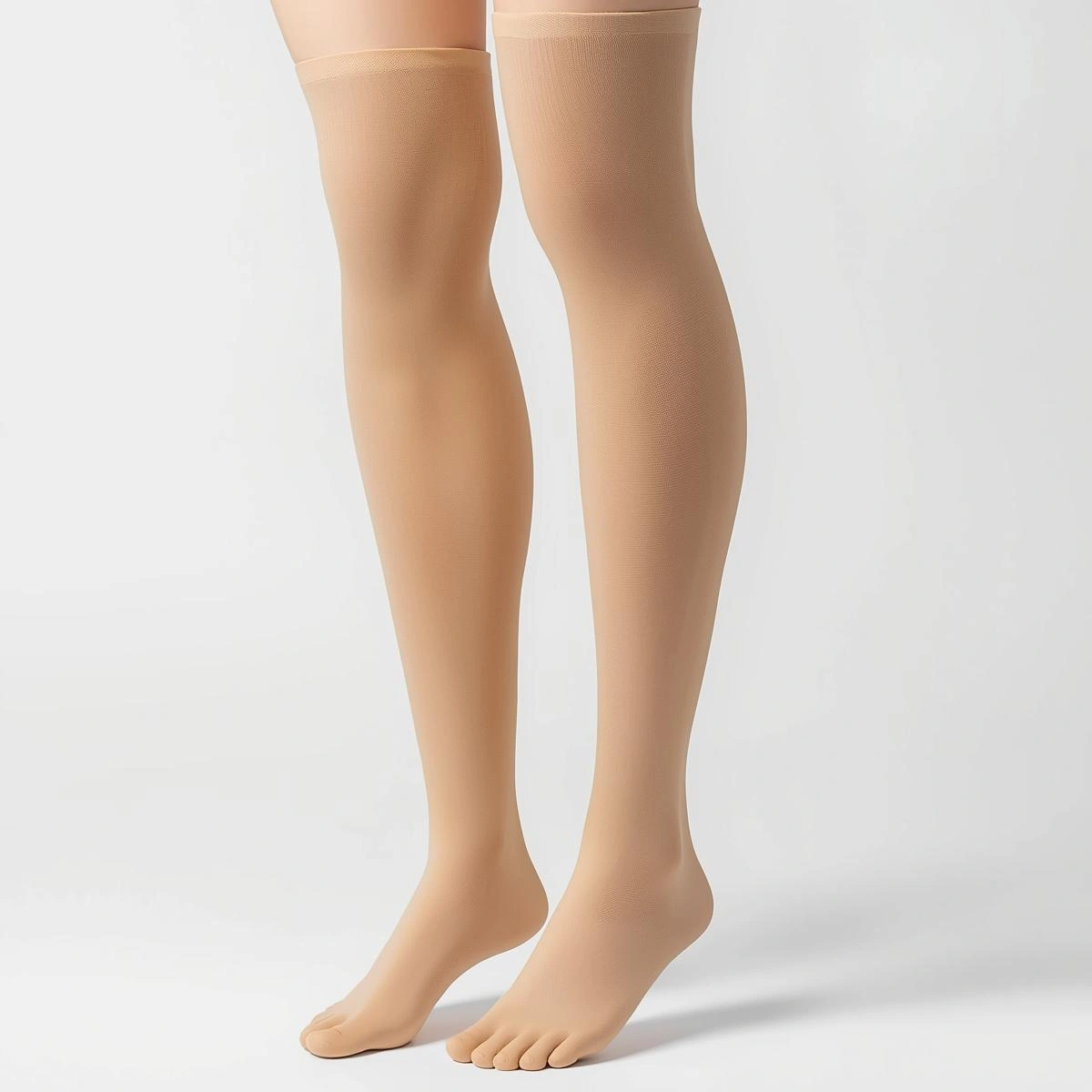
10. What is the difference between knee length and thigh length stockings?
- Knee length: Covers the leg from the ankle to below the knee. Often used for lower-leg swelling and many venous conditions.
- Thigh length: Extends up to the thigh and may be prescribed when compression is required above the knee.
The appropriate length depends on the patient’s condition and healthcare professional’s recommendation.
11. Can diabetic patients wear compression stockings?
Yes, but only when compression is considered appropriate by a healthcare professional. Patients with peripheral arterial disease, advanced neuropathy, ulcers, or other circulation problems require particular caution before using compression stockings.
12. How do I know which class (1, 2, or 3) is right for me?
- Class 1: Mild symptoms and selected preventive uses.
- Class 2: Moderate venous conditions and therapeutic applications.
- Class 3: Severe venous conditions requiring strong compression.
Always consult a qualified healthcare professional before choosing Class 2 or Class 3 compression.
13. Can I wear compression stockings with shoes and different types of clothing?
Yes. Below knee compression stockings are designed to be discreet and can generally be worn with a wide range of everyday, professional, and casual clothing and footwear.
14. Where can I buy Venous-On products?
Venous-On products may be available through the official website, authorised e-commerce platforms, pharmacies, hospitals, clinics, and medical distributors, depending on the country and region.
Availability and delivery options may vary by market.
15. Do I need a doctor’s prescription to buy stockings?
Prescription requirements vary depending on the compression class, medical condition, and regulations in the country where the product is purchased.
For Class 2 and Class 3 stockings, medical assessment is strongly recommended before purchase to ensure that compression is appropriate and safe.

Manjunath –
Post surgery doctor advised compression stockings. I was worried about cost. Stockings-On gave same quality at reasonable price. Recovery was smooth.
Geetha –
“I used Class 1 stockings during pregnancy. Doctor recommended. Helped a lot with ankle swelling. Easy to wear and remove.”
Anitha kumari –
Material is soft and not itching. Even after washing many times compression is still good. Suitable for daily wear.
Lakshmi –
My mother has varicose veins problem. Doctor suggested below knee compression stockings. Stockings-On size matched properly and she is comfortable wearing daily.
Praksh kumar –
I purchased Class 1 stockings for travel purpose. Used during long bus journey. No leg pain or tight feeling after travel. Value for money compared to foreign brands.
Naveen –
“Good fitting and clear size guide. Customer support also helped me choose correct class. Overall very satisfied.”
Sumathi –
My job needs standing whole day. Earlier I had heavy pain in legs. After wearing below knee stockings daily, pain is under control. Cloth quality is good and fitting also perfect.
Shiva –
I work as security guard and stand for long hours. Since using below knee stockings, swelling reduced and legs feel light. Very useful product.
Ramesh –
I am using Stockings-On below knee Class 2 stockings from last 6 months. Swelling in my legs reduced a lot. Doctor also satisfied with quality. Very comfortable even in Bangalore weather.